Learning Center
Understanding the New Federal Tips Deduction: A Guide to the Final Regulations
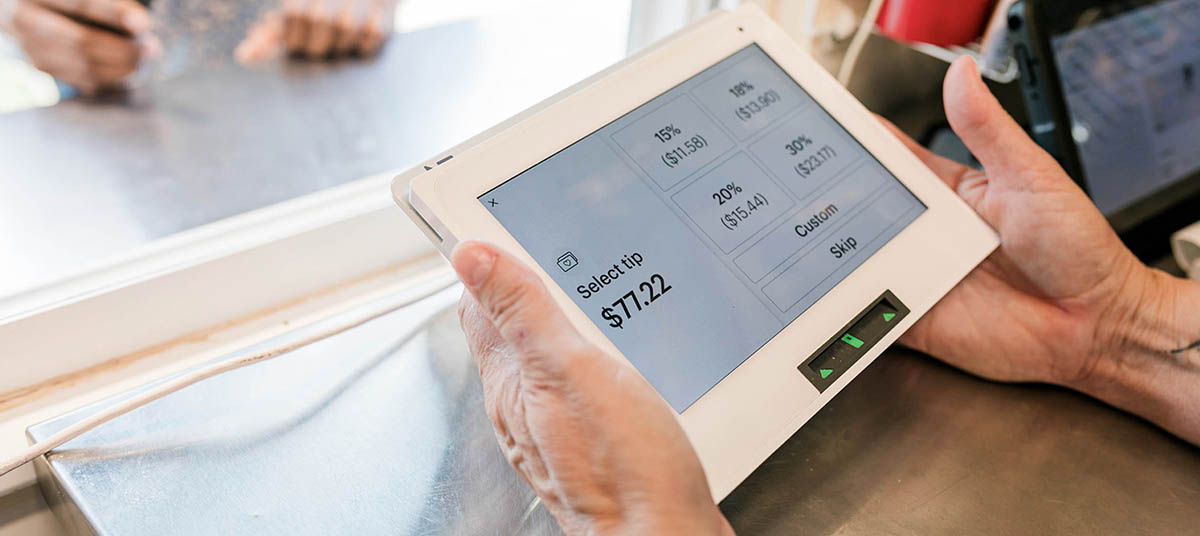
A significant, temporary federal tax break for tip earners is now law, effective for tax years beginning in 2025 and scheduled to run through 2028. This legislation introduces a specialized ‘below-the-line’ deduction specifically for ‘qualified tips.’ However, while the tax relief is welcome, the IRS has established a rigorous framework of eligibility criteria, reporting mandates, and annual limits that taxpayers must navigate carefully to ensure compliance.
For professionals in Auburn Hills and across the country who rely on gratuities, understanding these rules is the difference between a smaller tax bill and an unexpected audit. This guide breaks down the mechanics of the deduction, identifies who is eligible under the new Treasury Tipped Occupation Codes (TTOCs), and outlines the essential recordkeeping steps required to secure these benefits.
The Mechanics of a ‘Below-the-Line’ Tax Deduction
In the world of tax planning, the term ‘below-the-line’ refers to a benefit that reduces your overall taxable income—and therefore your final tax liability—but does not lower your Adjusted Gross Income (AGI). This distinction is vital because many other tax benefits and credits are tied to your AGI level. This new tips deduction is unique because it is available regardless of whether you choose to take the standard deduction or itemize your deductions on Schedule A.
To qualify for this relief, a taxpayer must meet several specific criteria. First, they must work in an occupation that customarily and regularly received tips as of December 31, 2024. The IRS has provided a list of approximately 200 job examples within the Treasury Tipped Occupation Codes (TTOCs) to serve as a baseline. Furthermore, for married taxpayers, filing a joint return is mandatory to claim the deduction, and all filers must possess a valid work-eligible Social Security number.
Annual Limits and Income Phaseouts
While the deduction offers meaningful relief, it is not unlimited. The IRS has capped the maximum annual deduction at $25,000. This cap is a hard limit and remains the same regardless of whether you file as a single individual or as part of a married couple filing jointly. For high-earning hospitality professionals and service providers, this cap necessitates proactive planning to maximize the available tax benefit.
Additionally, the deduction is subject to a Modified Adjusted Gross Income (MAGI) phaseout. The benefit begins to diminish once your MAGI exceeds $150,000 for single filers or $300,000 for those filing jointly. Specifically, the deduction is reduced by $100 for every $1,000 (or fraction thereof) over these thresholds. For this calculation, MAGI is your AGI increased by specific excluded foreign earnings, making it essential to review your total income composition before the end of the tax year.

Defining ‘Qualified Tips’ Under the Final Regulations
Not every dollar received from a customer counts as a ‘qualified tip’ under the new regulations. Generally, qualified tips include traditional cash, electronic payments via credit or debit cards, and even tangible tokens like casino chips or foreign currency. Voluntary tip pools are also included, provided the amounts are properly reported. Even managers or supervisors can qualify if they receive tips directly for services they personally performed in an eligible occupation.
What Is Specifically Excluded?
The IRS final regulations are clear about what does not qualify for the deduction. Digital assets, such as Bitcoin or stablecoins, are explicitly excluded from the definition of ‘cash tips.’ Furthermore, mandatory service charges or automatic gratuities are treated as standard wages rather than qualified tips. It is also important to note that tips earned through activities that are illegal under federal law—such as work within the cannabis industry—are ineligible, even if the job appears on the TTOC list.
Ownership and SSTB Restrictions
The rules also restrict owners. Tips paid to an owner-employee or anyone with a significant ownership interest (typically 5% or more) do not qualify. Additionally, tips attributable to Specified Service Trades or Businesses (SSTBs), such as law or accounting, are generally excluded. However, the IRS has provided transition relief: employees in occupations that customarily received tips prior to 2025 will not be treated as receiving tips in an SSTB until further guidance is released.
The Critical Shift in Reporting Requirements
Perhaps the most significant change for taxpayers involves how these tips are reported. Beginning in 2026, the IRS will generally only allow the deduction for tip amounts that appear on official information statements like Form W-2, 1099-NEC, or 1099-K. This means that ‘off-the-books’ cash tips that do not appear on a payer statement will not qualify for the deduction, even though they remain taxable income. For employees, self-reporting tips on Form 4137 is the only way to make those amounts count if they aren't on a W-2.
The year 2025 serves as a transition period. During this year, employers are not required to update their forms with new tip reporting codes, and the IRS has provided penalty relief for reporting errors. During 2025, self-employed individuals can rely on their own daily logs and receipts to substantiate their tips. However, come 2026, the reliance on third-party reporting (1099s and W-2s) will become the standard for substantiation.

Strategic Considerations for the Self-Employed
For gig workers, freelancers, and independent contractors in Michigan’s growing service economy, the tip deduction is accessible but comes with a ‘net income limit.’ The deduction for a self-employed person is limited to the lesser of the $25,000 cap or the actual net income from the business that produced the tips. This net income is calculated on Schedule C after subtracting allowable business expenses and certain ‘above-the-line’ deductions like the deductible portion of self-employment tax.
Crucially, the tip deduction is claimed on Form 1040 Schedule 1-A, rather than directly on Schedule C. It is important to remember that this deduction cannot be used to create or increase a business loss. If you are an independent contractor and do not receive a Form 1099-NEC or 1099-K that specifically identifies your tips starting in 2026, you may find yourself ineligible for the deduction entirely. Proper coordination with your payers is essential to ensure your income is categorized correctly on their filings.
Navigating Your Tip Strategy for 2025 and Beyond
The new tip deduction offers a rare opportunity for meaningful tax relief, but its temporary nature and complex reporting rules mean that casual recordkeeping is no longer an option. As we move through the 2025 transition year, now is the time to audit your reporting processes and ensure your occupation aligns with the TTOC framework. Staying ahead of the 2026 reporting ‘cliff’ will protect your ability to claim the full $25,000 deduction.
At Blumark Tax Advisors, we specialize in helping high-income professionals and business owners navigate these evolving regulations with clarity. If you have questions about how the tip deduction phaseouts affect your personal tax strategy or need assistance with 1099 compliance for your workers, contact our office today to schedule a consultation.
Auburn Hills Location
Office Hours: Monday-Friday 8:30 am - 5:00 pm
Bay City Location
Office hours: Monday-Friday 8:30 am - 5:00 pm